Introduction to structural strengthening in the UK

The technique of bonding external reinforcement to structures was first used in the UK in 1975 on the M5 near Birmingham to strengthen the Quinton Interchange.

The method of strengthening using externally bonded reinforcement, structural strengthening, can be introduced by providing the answers to some simple questions.

  • What is Structural Strengthening?
  • Why do we need in?
  • What can be achieved by using the technique?
  • Where can we use it?

Structural strengthening involves the bonding of additional reinforcement to the external faces of a structural member. This additional reinforcement can incorporate steel plates, composite plates or composite wrapping systems. The method is attractive because it provides a cost effective solution to increasing load carrying capacity, especially when compared to demolition and rebuilding.

One of the main reasons for the use of the method in the UK is due to the change of use of a structure giving an increased load-carrying requirement. Other reasons such as, inadequate design, poor quality construction, structural damage, fire damage, seismic loading, reinforcement corrosion (If the cause is treated) and loss of prestress force are not uncommon.

Strengthening can improve the load carrying capacity of structures by;

  • Increasing flexural strength,
  • Shear strength,
  • impact resistance,
  • punching shear resistance,
  • redistribute loads around new openings.

Externally bonded reinforcement gives the opportunity to strengthen without having a significant visual impact on the structure. The installation process is fast and can minimise disruption to the function of the structure including the services attached to it.

Structures made from reinforced concrete, steel, cast iron, masonry and timber have all been strengthened to date using a form of the technique. Beams and slabs have been strengthened on both the top and bottom surface for flexural strength. Columns and beams have been strengthened on there side faces for shear. Slabs have been strengthened around columns to increase punching shear resistance. Various other types of structural elements have been strengthened for many different reasons.
The Development of Composite Materials for Strengthening Structures – Introduction

The technique of flexural strengthening of reinforced concrete structures using externally bonded composite reinforcement has been in use since the mid 1990’s.   The method of strengthening by bonding steel plate, which had been used in the UK since 1975, has now generally been replaced by the use of composite plates.

The increased acceptance of the method has led to different types of structure and problems being considered for strengthening using composite materials. The flexural capacity of metallic structures such as cast iron and steel can be improved. The resistance of reinforced concrete or masonry against impact, blast and seismic loads can be increased. Reinforced concrete structures deficient in shear can be strengthened. The use of pre-stressed composite plates can relieved both dead and live loads at the same time as overcoming difficult detailing problems.

The success of any new techniques depends on detailed research and development and the long term durability of all the materials used in the strengthening system. The other main system components that should be included in this development are the adhesives used to bond the composite to the structure.

What are the practical benefits of strengthening using carbon fibre plates?

Thanks to the light weight and low profile materials, carbon fibre plates have the practical benefits of;

  • Reducing the visual impact of strengthening.
  • Acceleration of project times.
  • Resolving difficult access issues.
  • Minimising the disruption to existing services.
  • resolving difficult detailing problems.

What can be achieved by strengthening structures using CFRP plate bonding?

Structural strengthening using carbon fibre plates bonded to reinforced concrete can;

  • Increased flexural strength
  • Redistribute loads around openings
  • Improve shear/punching shear resistance
  • Increase impact resistance
  • Increase load carrying capacity of structure

Structural Strengthening – Carbon Fibre Plate Bonding

Why do structures need strengthening?

Change of use giving an increased loading
Inadequate design
Poor quality construction
Structural damage
Fire damage
Seismic Loading
Reinforcement Corrosion (If cause treated)
Loss of prestress force

Structural Strengthening Product Data Sheets

Why is it so difficult to get find all the Product Data Sheets for CFRP Plates and Structural Adhesive materials which are available in the UK Market for Structural Strengthening Systems? Many of the major suppliers dont have them readily available on there websites.

Below is a selection of the key products which are generally available in the UK, from Sika, Weber and Mapei. You will probably notice that not all of them are from a UK website, so I hope they are correct. These products are generally for use on concrete structures for flexural strengthening

Click to access Sikadur%2030%20PDS%20(CE).pdf

Click to access carbodur_structstrength.pdf

Click to access 10.010_weber.tec_force_carbon_plate.pdf

Click to access 02.020_weber.tec_EP_structural_adhesive_04.pdf

Click to access 1001_carboplate_gb.pdf

Click to access 1006_mapewrap_11-12_gb.pdf

Next step is to do a product comparision which will appear on the website.

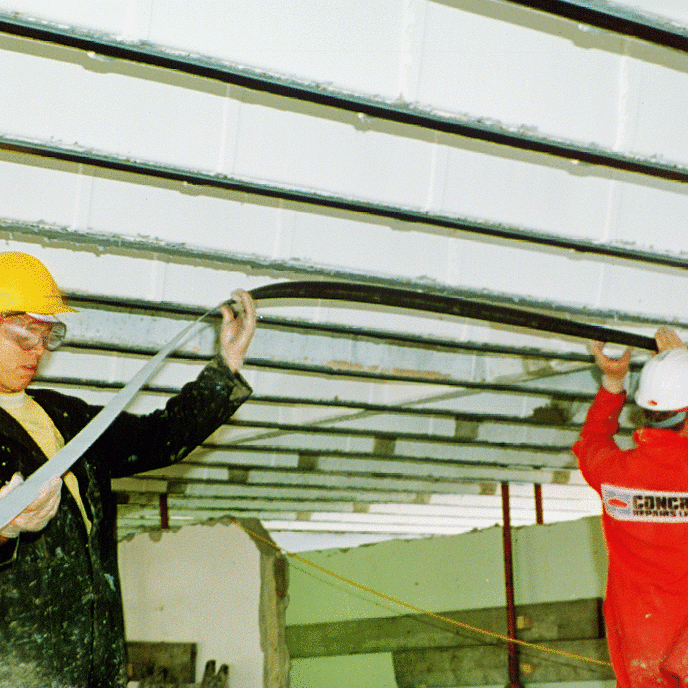
Kings College Strengthening of Building

The first use of carbon fibre plates to strengthen a concrete building at Kings College

Carbodur Carbon Fibre Plate Bonding
Structural Strengthening to Building

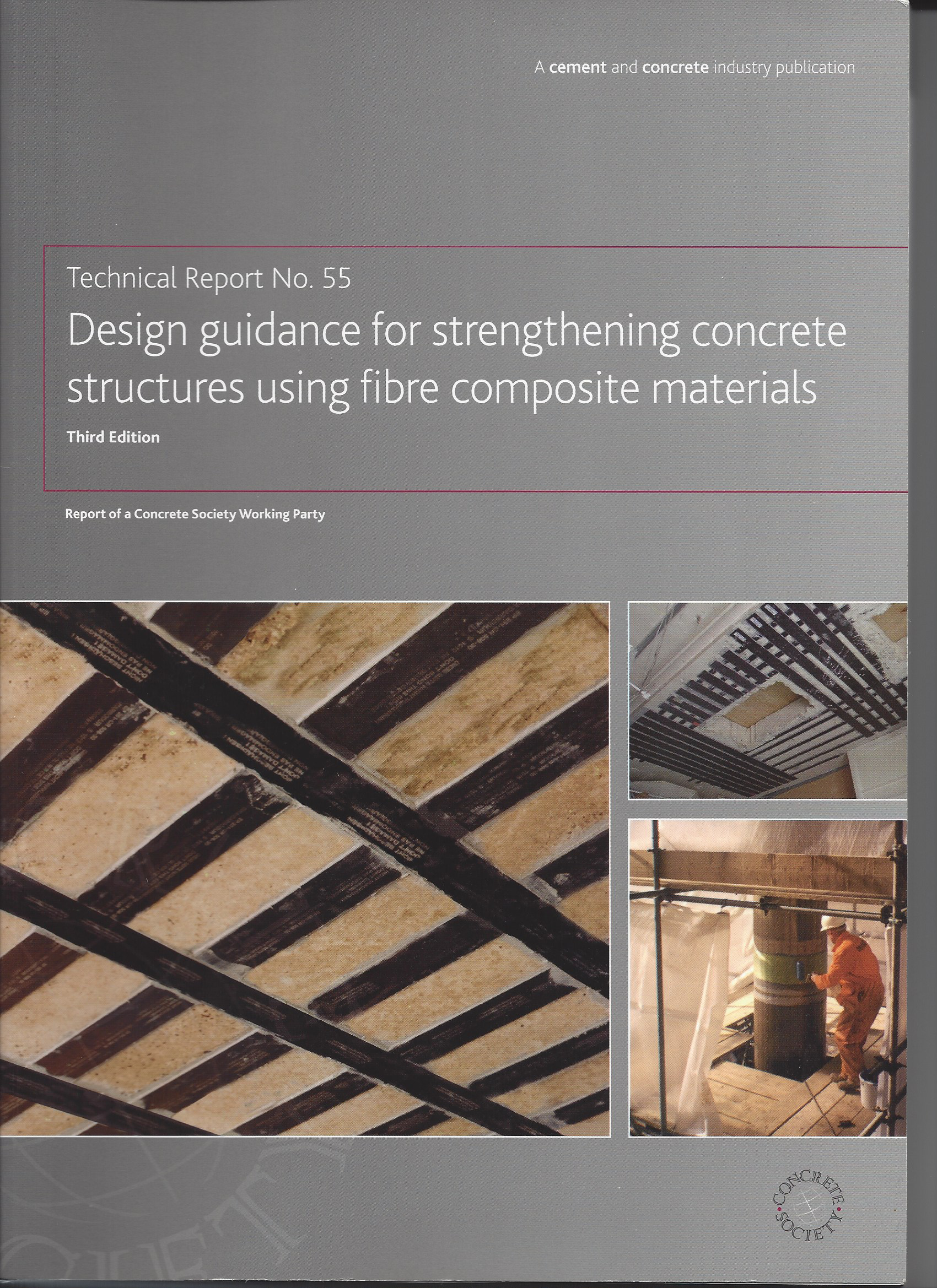
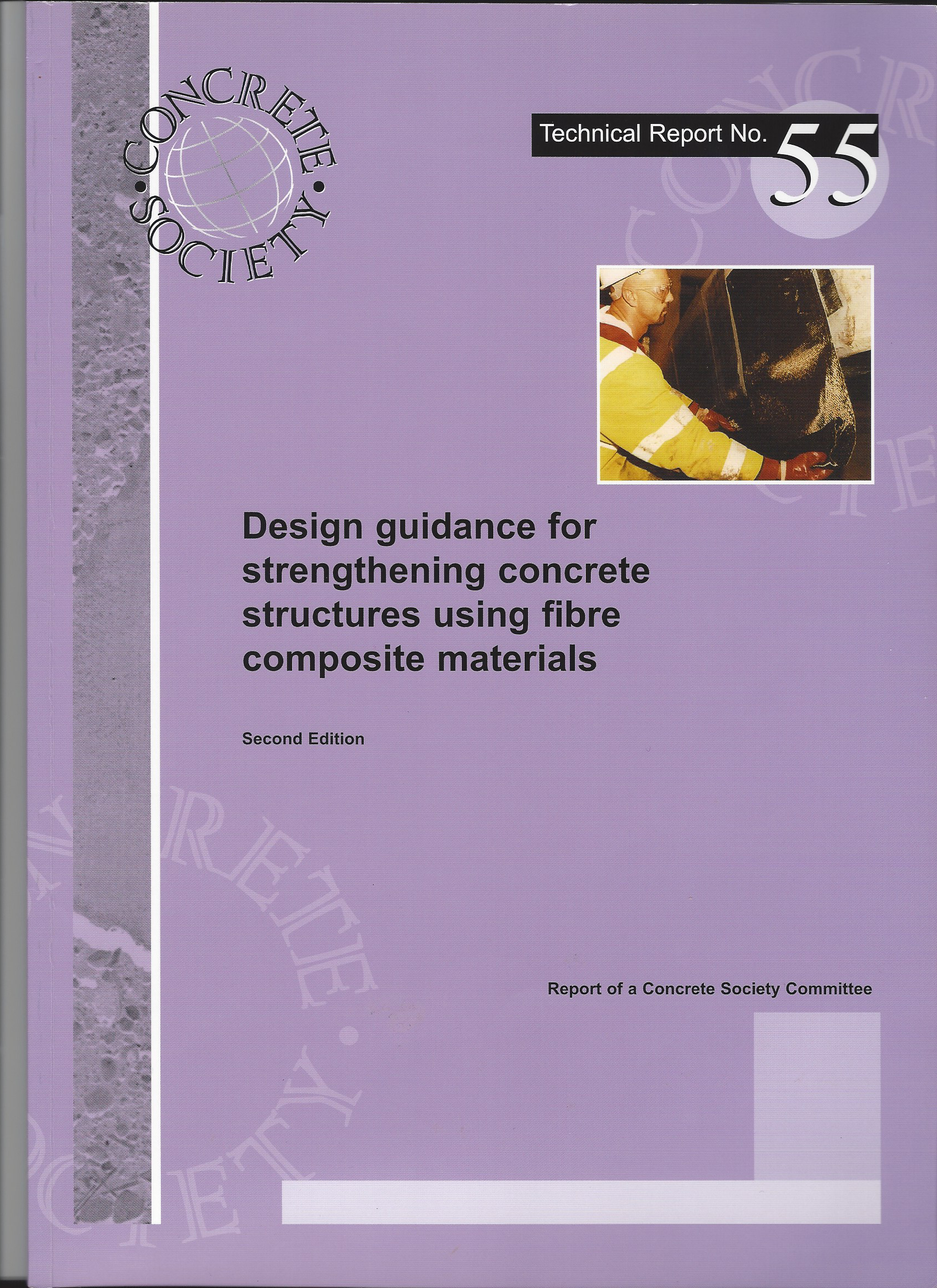
Concrete Society Technical Report TR55 Design Guidance for strengthening concrete structures using fibre composite materials 2nd edition

TR55 Concrete Society

Concrete Society Technical Report TR55 Design Guidance for Strengthening Concrete Structures using fibre composite materials Third Edition

Concrete Society TR55

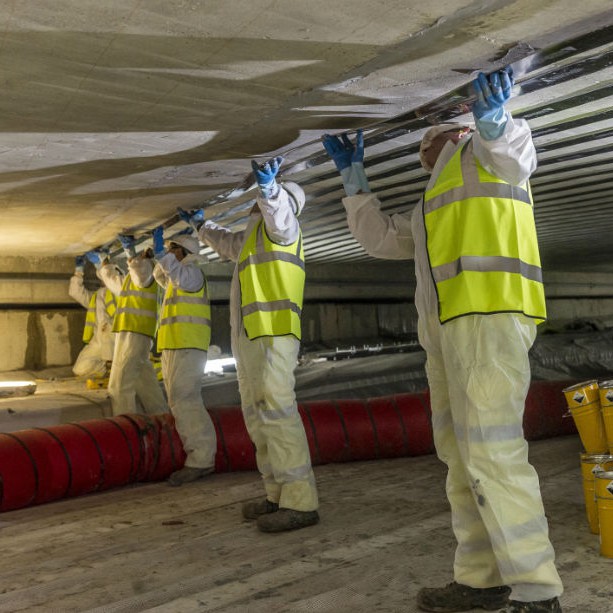
M3 Strengthening Hawley Bridge

Concrete Bridge on M3 Strengthened using CFRP Plates

CFRP Strengthening
Structural Strengthening to Bridge